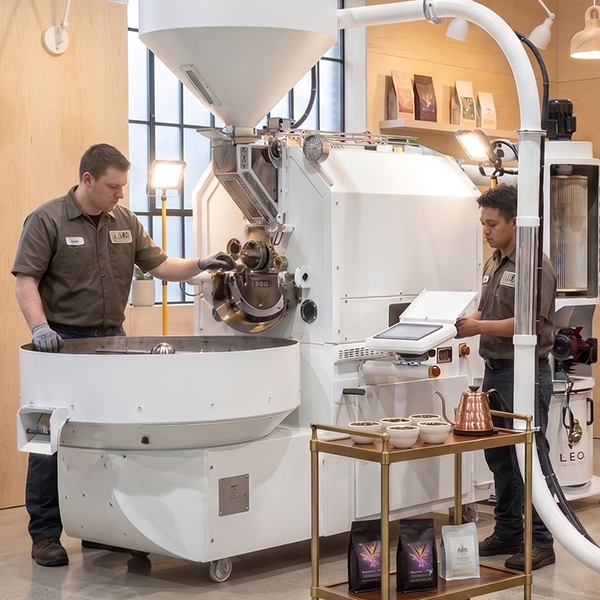
Roasting exceptional coffee requires more than just dialing in the perfect roast profile curve. Behind the scenes lies a critical factor that directly determines final cup quality: machine hygiene and periodic maintenance. Chaff accumulation in the roasting chamber, obstructed airflow channels, or drifted sensor calibrations not only shorten equipment lifespan but also mask the delicate, complex aroma notes of your carefully sourced beans.
Here is a practical guide to maintaining peak machine performance and ensuring repeatable roasting consistency.
1. Daily Cleaning Routine: Dedicate 10 Minutes at End-of-Day A quick post-roast cleaning protocol prevents major operational downtime and flavor degradation:
Cooling Tray: The rapid cooling zone can trap fine particulates and chaff. Vacuuming or brushing this area after sessions prevents off-flavor contamination between consecutive batches.
Cyclone and Chaff Collector: Chaff separated during roasting settles here. Emptying the chaff bucket regularly stabilizes airflow and eliminates fire hazards.
Air Ducts and Exhaust Lines: Clear exhaust lines are essential for unhindered smoke extraction, proper airflow dynamics, and homogeneous heat transfer.
Drum Interior: Residual dust and organic build-up inside the drum can re-roast in subsequent batches, producing acrid, burnt notes. Ensure the drum is cleared before shutting down.
2. Weekly and Monthly Preventative Maintenance Beyond daily sanitation, inspect key mechanical and electrical assemblies periodically:
Sensors and Thermocouples: Coffee oil and residue on temperature probes lead to false readings. Wipe probe surfaces gently on a scheduled basis.
Motor and Drive Belt Tension: Inspect belts and drive components to ensure smooth drum rotation at precise RPMs without mechanical play.
Air Circulation Blower/Fan: Dust and soot accumulation on impellers can throw the fan out of balance. Regular impeller cleaning restores optimal airflow draw.
Gas and Electrical Systems: Regularly inspect burner nozzle cleanliness, gas safety valves, and electrical connections within the PLC control cabinet.
3. How Hygiene Directly Dictates Flavor Coffee beans act like sponges, absorbing ambient odors and residual contaminants. In a poorly maintained or obstructed roaster:
Delicate acidity and fruity notes are suppressed, replaced by heavy, smoky defects.
Restricted airflow leads to uneven conductive heat transfer—scorching the bean exterior while leaving the core underdeveloped.
Even with a dialed-in digital roast profile, the cup quality fails to match the targeted cup profile.
A clean machine is the primary guarantee of your signature roast profile.
4. Proper Maintenance Protects Your Capital Investment An industrial coffee roaster is the core asset of your processing facility. Systematic maintenance minimizes component wear, eliminates unplanned downtimes, and lowers long-term operational expenditures.
ÇRZ Makina Engineering: We design our machinery with maintenance accessibility at the forefront. Quick-release inspection hatches, modular chaff collection bins, and accessible exhaust ducting streamline the sanitation process, saving valuable operational labor.
Conclusion: Maintain Your Equipment for Flawless Flavor Mastery in coffee roasting demands both an intimate knowledge of the green bean and a deep technical understanding of your roasting plant. Consistent maintenance discipline extends equipment service life and guarantees batch-to-batch excellence.
To integrate next-generation coffee roasting solutions offering precision thermal control, stable airflow dynamics, and effortless serviceability into your facility, explore ÇRZ Makina Coffee Roasting Systems or contact our engineering team directly.